Why is Kitchen Design Important for Modern Homes?
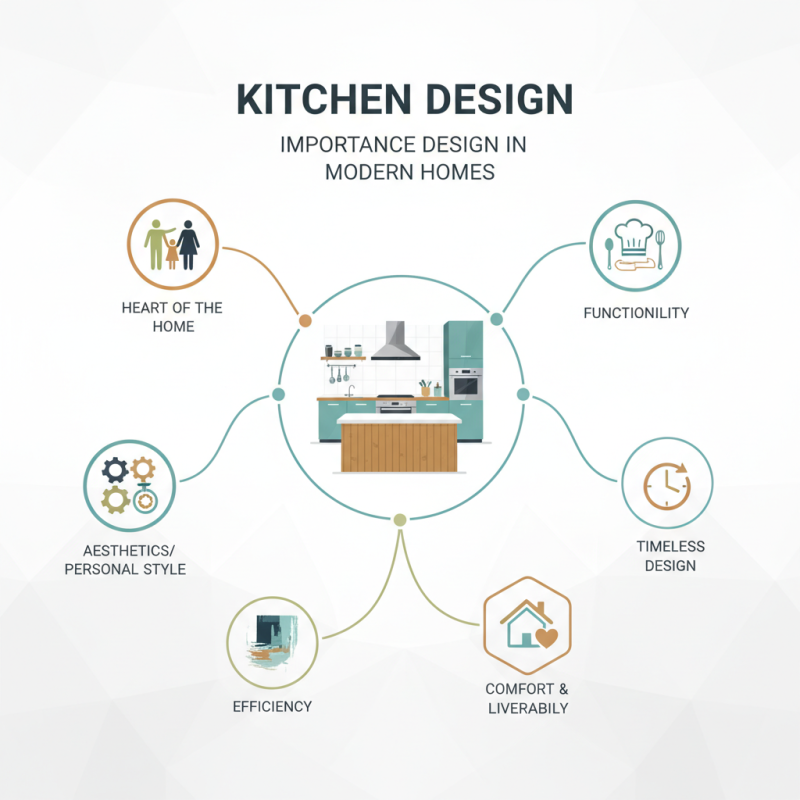
Kitchen Design plays a crucial role in modern homes. It reflects personal style and practicality. A well-designed kitchen enhances functionality and aesthetics. Often, this space is the heart of the home, where families gather. Poor kitchen design can lead to chaos and inefficiency.
Many homeowners overlook the importance of kitchen flow. A cluttered design can make cooking a chore rather than a joy. Functional zones, like prep areas and cooking stations, must be planned thoughtfully. The right choice of materials can elevate the overall feel. It's essential to blend beauty with usability in every aspect.
While many focus on trends, lasting design is key. Fads come and go but a timeless kitchen remains invaluable. A kitchen designed without personal input may miss the essence of home. Reflection is necessary; each choice should resonate with daily living. In the end, effective Kitchen Design greatly influences comfort and functionality in modern homes.
The Role of Kitchen Design in Enhancing Home Functionality
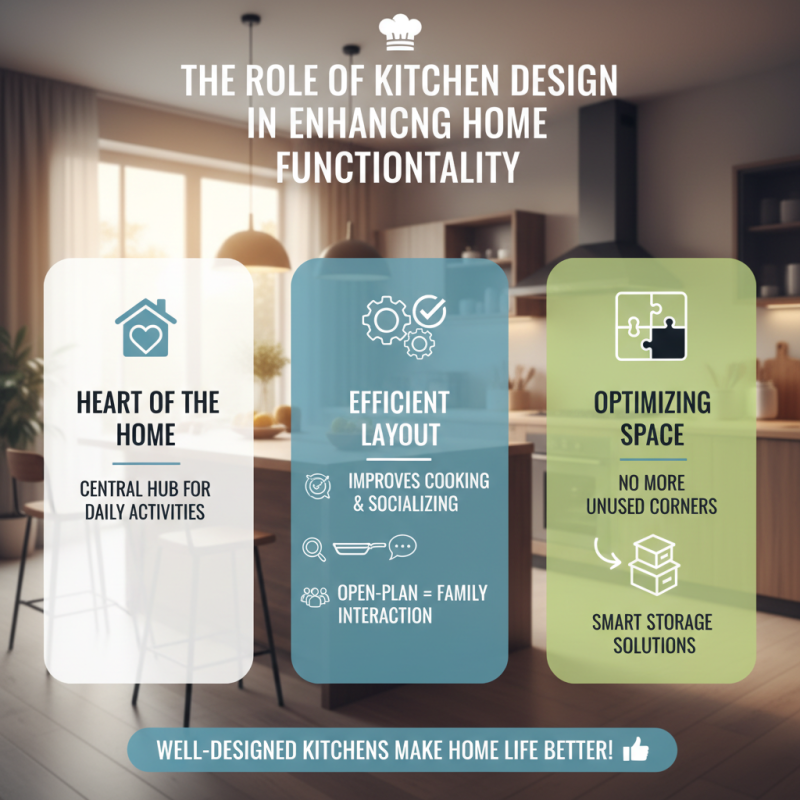
The kitchen is often considered the heart of the home. Its design directly impacts how efficiently it serves daily activities. A well-thought-out kitchen layout can enhance both cooking and socializing. For example, an open-plan design encourages family interaction. But not everyone utilizes space effectively. There are often corners left unused, which could serve better.
Functionality in kitchen design also means having the right tools within reach. This can lead to a smoother cooking experience. Imagine a situation where utensils are spread out in drawers. It makes cooking time longer and frustrating. Simple changes can make a big difference. Installing pull-out shelves can save time and effort.
However, achieving perfect functionality is not always straightforward. Some homeowners overlook the importance of workflow. A poorly placed sink or stove can disrupt the cooking process. Reflecting on one’s kitchen use can reveal needs often missed. Are appliances in the right spot? Is there enough counter space? Addressing these questions can transform cooking from a chore into a joy.
Impact of Kitchen Design on Family Interaction and Lifestyle
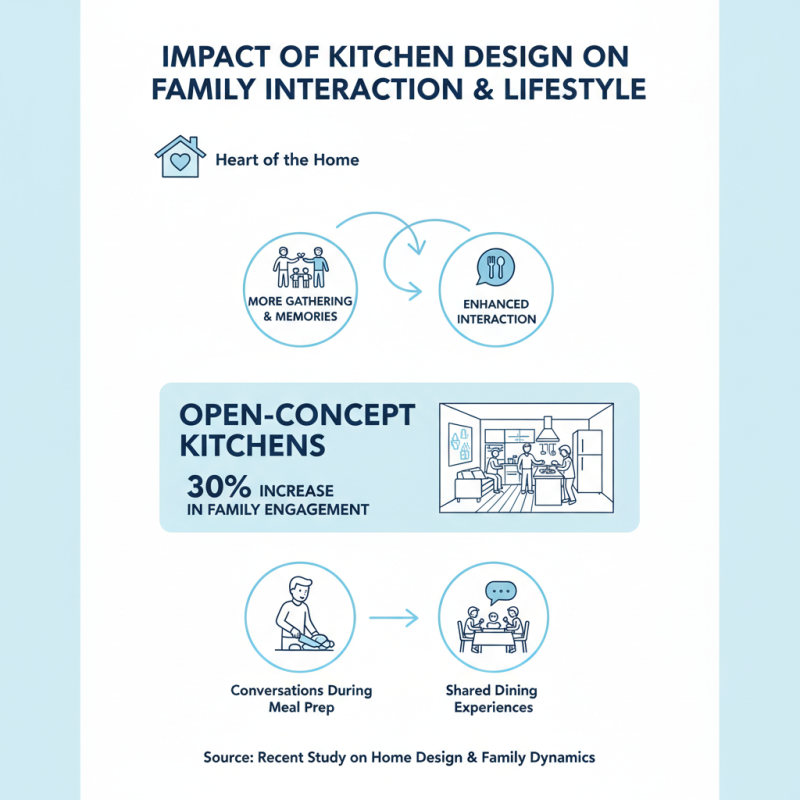
The kitchen is often considered the heart of the home. It’s where families gather, share meals, and create lasting memories. A well-designed kitchen enhances interaction between family members. According to a recent study, homes with open-concept kitchens see a 30% increase in family engagement. Such designs encourage more conversations during meal prep and dining.
Flow is essential in kitchen layout. This affects how smoothly family members can communicate while cooking or doing chores. An efficient workspace reduces frustration. A survey found that 40% of families consider kitchen layout crucial for encouraging interaction. Poorly planned spaces often lead to isolation rather than connection.
Moreover, consider the emotional aspect of kitchen design. Colors and lighting can significantly influence mood and well-being. Inviting spaces promote warmth and hospitality. However, not all kitchens achieve this balance. Many homes fall short of creating a welcoming atmosphere. Families are often left feeling disconnected despite being in the same space. Thoughtful kitchen design can bridge that gap and foster a better lifestyle.
Trends in Modern Kitchen Design for Aesthetics and Efficiency
Modern kitchens are pivotal in enhancing both form and function in contemporary homes. A well-designed kitchen can act as the heart of the home, impacting daily life and even property value. According to a report from the National Association of Realtors, a kitchen remodel can return up to 80% of its cost upon resale. This shows the investment in kitchen design pays off significantly.
Trends in kitchen design focus heavily on aesthetics and efficiency. Open floor plans remain popular, promoting a seamless flow between the kitchen and living areas. This layout fosters community and interaction. Using sustainable materials not only addresses environmental concerns but also adds a unique character to the kitchen. Reports indicate that 75% of home buyers prefer energy-efficient appliances. However, there’s still a disconnect; many homeowners struggle to incorporate innovative storage solutions in their design.
While stylish design elements attract buyers, practicality shouldn't be overlooked. Too often, beautiful kitchens fall short in functionality. Incorporating smart technologies, like touchless faucets or app-controlled lighting, can enhance both convenience and energy savings. Thoughtful kitchen design must balance allure with effective space usage, ensuring each aspect serves a purpose.
Modern Kitchen Design Trends: Aesthetics vs. Efficiency
Choosing the Right Materials and Layout for Optimal Kitchen Use
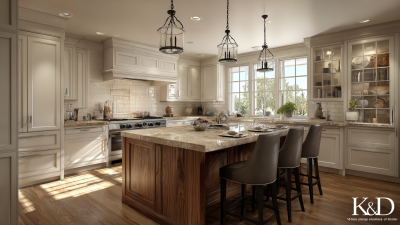
Choosing materials and layout in kitchen design plays a crucial role in functionality. The materials selected can greatly affect both aesthetics and durability. For instance, quartz countertops may offer a modern look and easy maintenance. However, they might not suit every budget. Wood cabinets can add warmth, yet they require regular upkeep. Reflecting on preferences is vital.
The layout of your kitchen should facilitate seamless movement. Open-concept designs are popular. They create a social atmosphere, but they might lack defined spaces. A U-shaped kitchen utilizes corners well, but it can feel cramped. Is it the right choice for your home? Think about how you cook and entertain.
Lighting is another key aspect. Natural light enhances the kitchen ambiance, yet it varies by season. Task lighting is essential for work areas but can sometimes create harsh shadows. Perhaps reconsider placement or types of fixtures. Every element matters in crafting a space that is not just beautiful but also practical.
Why is Kitchen Design Important for Modern Homes? - Choosing the Right Materials and Layout for Optimal Kitchen Use
| Aspect |
Importance |
Recommended Materials |
Optimal Layout Types |
| Storage |
Efficient storage maximizes kitchen functionality. |
Cabinets, drawers, open shelving |
U-shape, L-shape |
| Lighting |
Proper lighting enhances safety and mood. |
LED lights, pendant lights |
Island, galley |
| Durability |
Durable materials reduce future repair costs. |
Quartz, stainless steel, hardwood |
Open-concept |
| Style |
Aesthetic appeal increases home value. |
Tiles, marble, painted finishes |
Classic, contemporary |
| Efficiency |
Efficient layout saves time and energy. |
Eco-friendly materials, energy-efficient appliances |
Work triangle design |
The Importance of Kitchen Design in Increasing Home Value and Appeal
The kitchen is often the heart of a home. A well-designed kitchen can significantly enhance a property's value. Prospective buyers often prioritize spacious and functional kitchens. This is where families gather and memories are made. A good kitchen layout improves usability and efficiency. Features like smart storage solutions can also appeal to buyers.
Open-concept designs are trendy now. They allow for better flow between spaces. However, some designs may lack warmth. An all-white kitchen might look modern, but it can feel cold. Adding color through accessories or a standout backsplash offers a balance. Lighting is another crucial factor. Good lighting can transform a simple kitchen into a welcoming space.
Investing in quality finishes pays off. Countertops, cabinetry, and appliances matter. Yet, it’s essential to ensure that the design matches the rest of the home. A sleek kitchen in a traditional setting can feel out of place. This disharmony can detract from overall appeal. Thoughtful design is about aesthetics and harmony.