How to Design an Efficient Kitchen Layout in 2026?
In 2026, the concept of an efficient kitchen layout has evolved significantly. Homeowners now seek a design that maximizes space while ensuring functionality. A well-planned kitchen layout should reflect individual cooking habits and lifestyle choices. The most effective layouts foster smooth workflow, making meal preparation enjoyable.
Consider the triangle rule: sink, stove, and refrigerator should be in close proximity. This idea prioritizes accessibility, enabling cooks to move effortlessly between tasks. However, it’s essential to reflect on personal needs. Often, kitchen layouts fail because they overlook specific habits. For instance, a busy family might require more counter space than a couple who seldom cooks.
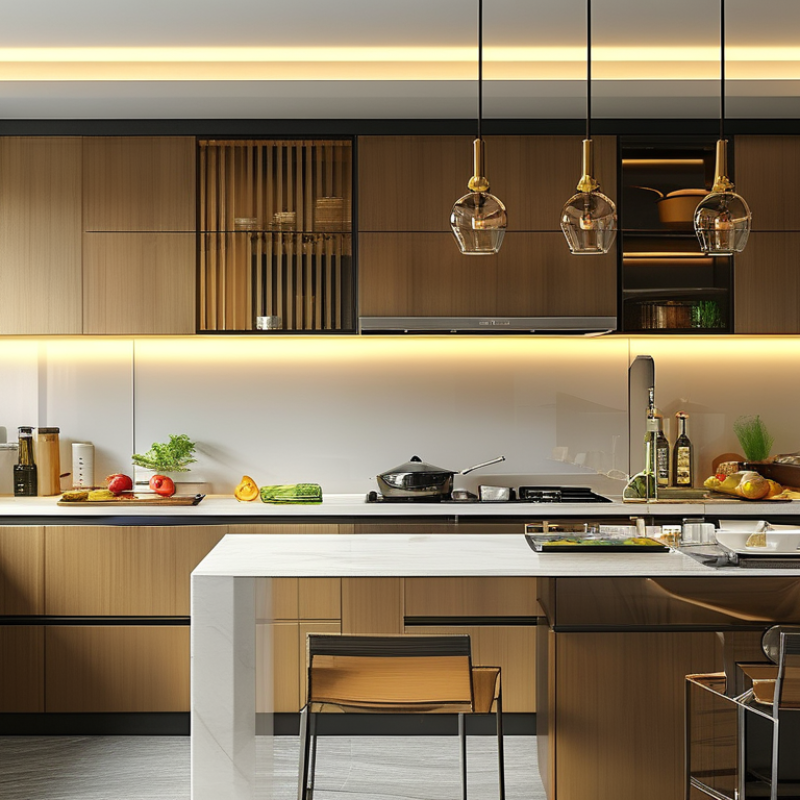
Innovation in smart appliances is also influencing kitchen design. Yet, integrating technology can lead to confusion if not thoughtfully placed. Lighting should enhance, not hinder, the cooking experience. Subpar choices can create dark corners or distract from vital tasks. In this shifting landscape, success hinges on balancing aesthetics, practicality, and personalization in your kitchen layout.
Understanding the Principles of Kitchen Ergonomics in 2026
When designing a kitchen layout for 2026, understanding kitchen ergonomics is crucial. Ergonomics focuses on creating a space that maximizes efficiency and comfort. Key elements include counter height, appliance placement, and workflow. Optimal counter height should match the user’s height for ease of use. Also, consider how frequently items are used. Frequently used utensils should be within easy reach.
The classic work triangle remains vital. The relationship between the stove, sink, and refrigerator should not be obstructed. Distances should be convenient, allowing smooth transitions. This design minimizes unnecessary movements. However, it’s essential to adapt these principles to individual preferences. What works for one person might not suit another. Personalizing your space can lead to reflections on your cooking style.
In 2026, technology will further shape kitchen ergonomics. Smart appliances could change how we interact within our kitchens. Imagine a setup where your coffee machine brews as you chop vegetables. But be cautious—over-reliance on technology can create barriers. It’s essential to balance modern conveniences with traditional tasks, ensuring the kitchen remains a functional space.
Kitchen Ergonomics Principles in 2026
Integrating Smart Technology for Enhanced Kitchen Efficiency
The kitchen of 2026 will be a hub of smart technology. Integrating innovative devices can enhance efficiency significantly. A 2023 report from the National Kitchen & Bath Association indicates that 68% of homeowners prioritize smart appliances for energy savings. This trend shows a shift towards tech-savvy and eco-friendly designs.
Consider smart refrigerators that track inventory. They can suggest recipes based on available ingredients. Such features reduce food waste and save time. A survey by PwC reveals that 42% of users find meal planning easier with these devices. Smart thermostats, lighting systems, and dishwashers adapt to usage patterns. They help manage energy consumption gently.
However, integrating technology is not without challenges. Connectivity issues can frustrate users. Installation costs may deter some homeowners, too. A large percentage of users admit to feeling overwhelmed by the options available. As designers approach 2026, it is vital to simplify these choices. A practical, user-friendly approach will encourage the adoption of smart technologies while ensuring a harmonious and efficient kitchen layout.
Maximizing Storage Solutions for Modern Kitchens Using 2026 Trends
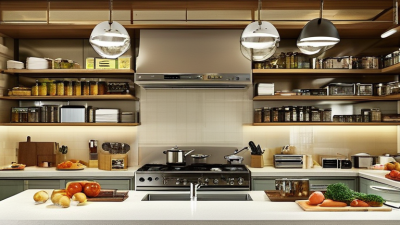
In 2026, kitchen design trends emphasize maximizing storage solutions. Modern kitchens are evolving with ergonomic layouts and multifunctional spaces. One key trend is using vertical storage to utilize wall space effectively. Tall cabinets and open shelving provide easy access to essential items while creating a sense of openness.
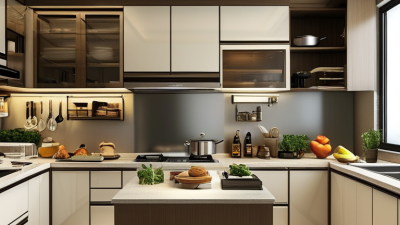
Another innovative approach is integrating pull-out drawers within cabinets. These make deep spaces more accessible, minimizing clutter. Smart organization systems help categorize items by usage, offering convenience. However, determining the right balance between aesthetics and functionality is crucial. Relying solely on current trends might not suit every household's unique needs.
Incorporating modular units presents flexibility. They can adapt to various kitchen shapes and sizes, ensuring a personalized fit. Nonetheless, it’s wise to evaluate how much storage is genuinely necessary. Excessive storage can lead to overstocking, making it hard to find what you need. Ultimately, understanding your cooking habits and lifestyle will lead to a truly efficient kitchen layout.
Designing Flexible Spaces: The Rise of Multi-Functional Kitchen Areas
In 2026, kitchen design emphasizes flexibility. Multi-functional spaces are not just a trend; they’re essential. The modern kitchen serves as a hub for cooking, entertaining, and working. With more people cooking at home, the kitchen must adapt to various activities.
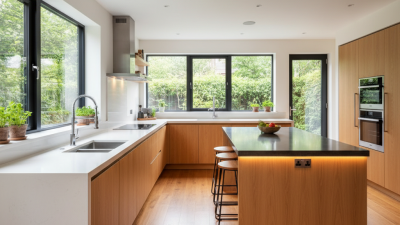
To create a flexible kitchen, consider an open layout. Combine the kitchen with the dining area for seamless movement. Use mobile islands that can be repositioned. This not only enhances functionality but also keeps the space dynamic and inviting.
Tips for efficiency: Use adjustable shelving to maximize storage. This allows you to change the organization based on your needs. Incorporate foldable tables for easy transitions from cooking to dining. Lastly, ensure ample lighting to enhance the mood, whether you’re hosting or enjoying quiet meals.
Reflect on your kitchen’s flow. Do you have enough space for multiple activities? Over time, needs may change, and your layout should accommodate those shifts. The goal is an adaptable environment that supports both everyday living and special occasions.
Sustainable Materials and Energy Efficiency in Kitchen Design for 2026
The kitchen of 2026 will prioritize sustainable materials and energy efficiency. Imagine countertops made from recycled glass or bamboo cabinetry. These choices reduce waste and enhance aesthetics. Sustainable materials not only promote environmental health but also offer durable options for modern kitchens.
Energy efficiency is critical in today's kitchen design. Installing energy-efficient appliances can significantly lower energy consumption. Using LED lighting enhances brightness while consuming less power. Additionally, consider incorporating smart technology to optimize energy use. Connecting your appliances and lighting to a smart hub can help manage energy consumption automatically.
However, achieving this balance is not always straightforward. Some find it challenging to source reliable sustainable materials or face higher initial costs. Moreover, the effectiveness of energy-efficient designs can vary based on personal usage patterns. Reflecting on these aspects is vital for informed decision-making, ensuring your kitchen is not just trendy, but also genuinely sustainable.